
Building Success: How Digital Marketing Transforms Modern Construction Companies

In today’s fast-paced digital landscape, construction companies are no longer just about blueprints and hard hats; they’re becoming tech-savvy powerhouses that embrace the digital revolution. Welcome to the modern construction world, where bricks and mortar meet bytes and pixels! This blog post will explore how savvy builders leverage cutting-edge digital marketing strategies to transform their businesses from traditional operations into dynamic enterprises. From captivating social media campaigns to innovative website designs, discover how these industry pioneers are constructing impressive structures and solidifying their foundations in a competitive market. Ready to lay the groundwork for success? Let’s dive into the transformative power of digital marketing in the construction sector!
Building an Online Presence with a Website
 First and foremost, every modern construction company needs a professional website. In an era where most potential clients start their search for services online, a well-designed website is like the storefront of your business. It gives your company credibility and provides a central place where potential clients can learn about your services, view your past projects, and get in touch. A good construction-based website such as Cricfor should be easy to navigate and mobile-friendly, and it should showcase your best work with high-quality images and case studies.
Clients want to know what you’ve done before, and your website should highlight your expertise. A blog section is also a great addition, where you can share insights, industry news, and tips showing you’re a thought leader.
Social Media to Showcase Your Work
While a website is essential, social media platforms like Facebook, Instagram, LinkedIn, and even TikTok have become invaluable tools for construction companies. These platforms allow businesses to show off their work, interact with clients, and build a community. Instagram is especially powerful for construction companies due to its visual nature. You can engage your audience and demonstrate your capabilities by posting before-and-after photos of your projects or time-lapse videos of builds.
You can also use stories or reels to show behind-the-scenes footage or give a sneak peek of upcoming projects. LinkedIn, however, is excellent for connecting with other businesses and professionals in the construction industry, such as architects, real estate developers, or subcontractors. It’s a perfect platform for networking and establishing your company as an industry leader.
Paid Ads to Target Specific Clients
Digital advertising is another key element of modern construction marketing. With tools like Google Ads or Facebook Ads, construction companies can target specific audiences based on factors like location, age, and interests. For example, if you’re a residential contractor, you can target homeowners in your area who may need renovation or remodeling services. Paid ads allow for highly targeted campaigns that can reach clients when they are actively searching for services. You can also set budgets to control how much you spend, making tracking ROI easier and adjusting campaigns to ensure you’re getting the most value.
SEO: Getting Found on Google
 Search Engine Optimization (SEO) is one of construction companies’ most important digital marketing tools. SEO helps your website rank higher in search engine results, meaning more potential clients will find you when searching for construction services. The higher you rank, the more likely people will visit your site. To optimize your website for SEO, focus on using relevant keywords like “residential contractor,” “construction company in [your city],” or “commercial construction services.”
You should also work on getting backlinks from reputable sites in the industry and making sure your website loads quickly and is easy to navigate.
Email Marketing to Stay Top of Mind
Email marketing is a fantastic way for construction companies to keep in touch with potential clients and past customers. By collecting email addresses through your website or social media, you can send out newsletters with updates on recent projects, industry tips, or promotions. Email marketing also allows you to follow up with leads who have shown interest in your services but haven’t yet committed. You can nurture these leads and turn them into paying clients with a well-timed, personalized email.
In today’s competitive landscape, digital marketing is no longer optional for construction companies – it’s essential. Whether you’re showcasing your work on social media, optimizing your website for search engines, or running targeted ads, digital marketing helps construction companies stay visible, connect with potential clients, and grow their business.
…



 Content is always the king. And for home contractors, effective content marketing can be a game-changer in attracting and engaging potential customers. But what exactly does it mean to have effective content? It’s all about delivering valuable information that resonates with your target audience. This means understanding their pain points, challenges, and desires and crafting content that directly addresses these needs. Consistency is key.
 As voice assistants like Siri, Alexa, and Google Assistant have gone viral lately, voice search has risen to become a solid way for people to find information online. This means that home contractors need to optimize their
 The first vital component of SEO is keywords. These are the words or phrases that people will use when they are searching for information online. When choosing your keywords, you must ensure they are relevant to your website. You also want to make sure that they are popular enough so that people will actually be searching for them. But if you choose keywords that are too popular, it will be difficult for your website to rank high for those keywords.
 The third vital component of SEO is content. Your content must be well-written and relevant to your keywords. But it also needs to be interesting and engaging. If your content is boring, no one will want to read it. And if it is not relevant, people will not be able to find it when they are searching for information online. Make sure that your content is keyword-rich, but don’t stuff your keywords in. And make sure that your content is informative and helpful.


 One of the most important things to keep in mind when designing your website is to keep it simple. You want potential patients to be able to quickly find the information they’re looking for without being overwhelmed by too much text or too many images. Use clear and concise language, and avoid using jargon that might confuse or turn off potential patients.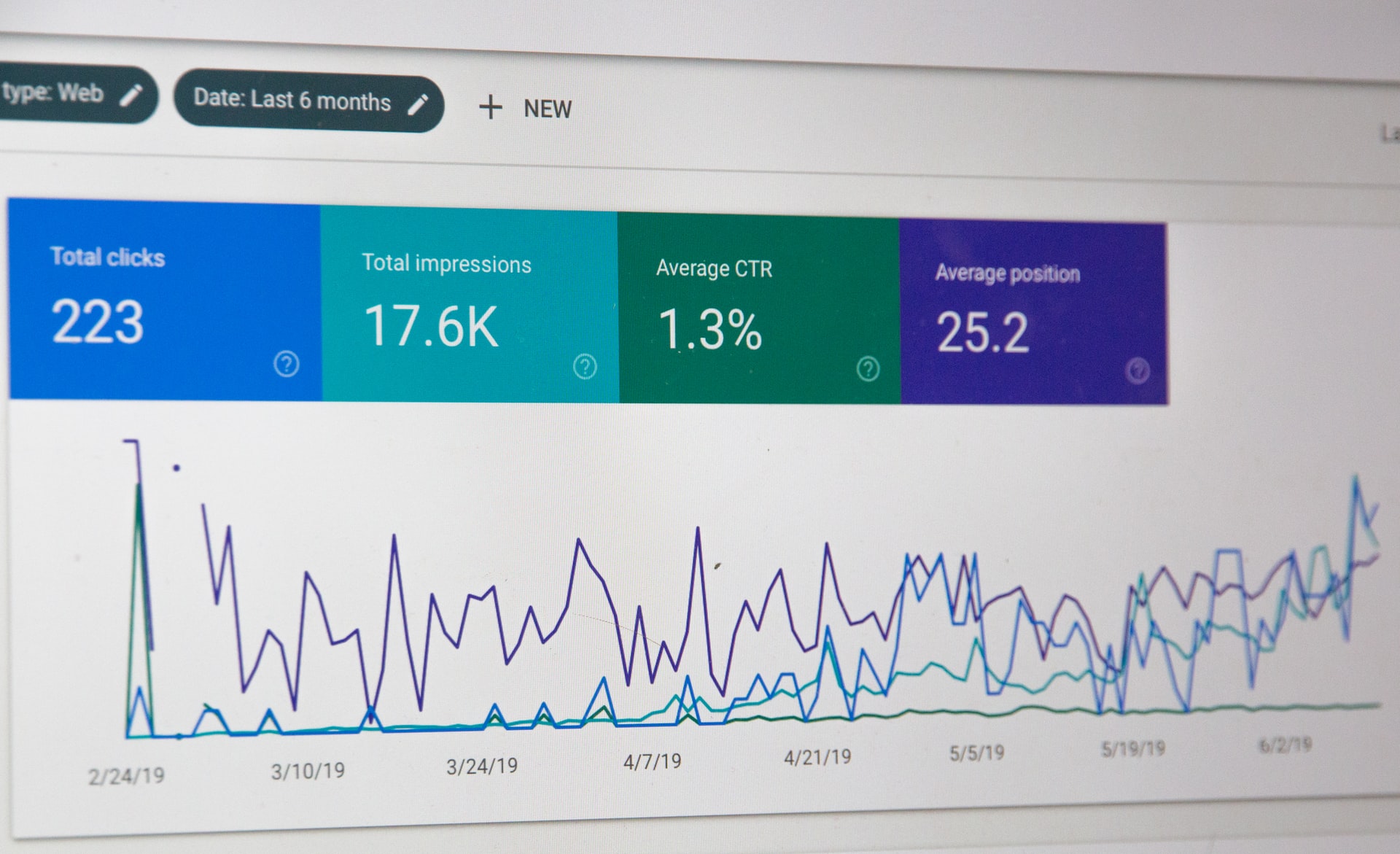
 One of the best ways to get high-quality backlinks is to become reporters and bloggers. If you can provide them with valuable information, they will be more likely to link to your website. You can also offer to guest post on their website or blog. This will allow you to showcase your expertise and build relationships with reporters and bloggers. If you have a blog, you can also increase your chances of getting backlinks by submitting your blog to directories.
 Another great way to get high-quality backlinks is to publish what is known as an “ultimate guide.” This is a comprehensive piece of content covering everything there is to know about a certain topic. Ultimate guides are usually quite long, but they are comprehensive. This makes them the perfect resource for people looking for in-depth information on a given topic. If you can create an ultimate guide that is truly comprehensive and valuable, you’ll be sure to get plenty of high-quality backlinks.
 One of the most common types of SEO services is search engine optimization. Search engine optimization, or SEO for short, is the process of improving your website’s ranking on search engines like Google and Bing. You can do this by optimizing your website’s content, structure, and metadata to make it as relevant and user-friendly as possible to search engines.
 A trust might be one of the most precious things a customer can give you, and once you lose it, it’s often challenging to regain. However, by providing a regular newsletter chock-full of exciting and valuable content, you can start building trust with potential and current customers right from the get-go. And, as that trust grows, so does the likelihood of them doing business with you in the future.
 Integrating newsletters with social media accounts is a great way of getting the word out even further. Pinterest, Facebook, Twitter, Google+, and many others allow you to add your newsletter subscription link directly onto their sites. This means that when people subscribe through them, they’ll be added to the list of everyone else who subscribes via another method such as email.