
How SEO Builds Brand Trust Beyond Traffic Numbers

Many businesses judge SEO by traffic volume. Rankings and visitor counts appear impressive in reports. However, trust cannot be measured by numbers alone. SEO shapes how audiences perceive a brand long before they convert, which is why advanced SEO metrics for agencies focus on engagement quality, conversion pathways, and revenue impact rather than simple traffic totals. When done strategically, optimization strengthens credibility, authority, and long-term loyalty. Beyond traffic metrics, SEO builds confidence in ways that influence real business growth and measurable client outcomes.
Visibility Creates First Impressions
Search results often form the first interaction with a brand. Appearing prominently signals legitimacy. Users associate higher rankings with reliability. Even without clicking, visibility creates recognition. Consistent presence across related searches reinforces familiarity. Familiar brands are more likely to earn trust over time.
Content Depth Demonstrates Expertise

Trust grows when content answers questions clearly. Comprehensive guides and detailed service pages show knowledge. Shallow content weakens authority. Search optimized pages that cover topics thoroughly demonstrate expertise. Readers notice when explanations feel informed and structured. Depth builds assurance that the brand understands its field.
Consistency Across Search Queries
Brands that rank for multiple related terms appear authoritative. This consistency signals specialization. Users searching for different variations encounter the same brand repeatedly. Repetition builds recognition. Recognition strengthens credibility. When people see a company covering a subject from multiple angles, trust increases naturally.
Clear Messaging Reinforces Transparency
SEO encourages clarity in titles, descriptions, and page structure. Clear language avoids confusion. Visitors know what to expect before clicking. Transparent messaging reduces frustration. Accurate descriptions ensure users find relevant information quickly. This alignment between expectation and delivery builds confidence.
User Experience Reflects Professionalism
Search engines prioritize user experience. Fast loading pages and mobile responsiveness improve rankings. These elements also influence perception. Smooth navigation feels professional. Secure connections add reassurance. A positive experience reinforces brand reliability. Technical performance contributes to trust beyond visibility alone.
Authority Signals Strengthen Credibility

High-quality backlinks, citations, and mentions increase domain authority. While technical in nature, these signals influence perception. Being referenced by reputable sources adds weight. Search engines recognize these endorsements. Users often interpret a strong presence as validation. Authority signals support credibility in subtle but meaningful ways.
Local SEO and Community Trust Still Matter
For service businesses, local SEO strengthens community relationships. Accurate listings and positive reviews improve visibility. Reviews reflect real experiences. Responding professionally to feedback shows accountability. This interaction builds trust within local markets. Search presence combined with social proof enhances reputation.
Long-Term Presence Builds Reliability
Trust develops over time. Consistent publishing and steady rankings show stability. Brands that appear regularly in search results seem established. Sudden spikes in traffic do not create the same impact. Sustainable optimization fosters lasting credibility. Reliability matters more than short-term metrics.
SEO builds brand trust beyond traffic numbers by shaping perception, demonstrating expertise, and reinforcing consistency. Visibility creates recognition. Comprehensive content shows authority. Clear messaging and strong user experience enhance professionalism. Backlinks and reviews add validation. With utmost focus on transparency and value, SEO becomes a foundation for credibility rather than a simple traffic channel. Businesses that view optimization as a trust-building strategy create stronger relationships and sustainable growth.
…
 Crawl errors occur when search engines encounter issues while trying to access your website. These problems can lead to significant drops in visibility and traffic. There are various types of crawl errors, including 404 pages that don’t exist or server response issues. When a bot encounters such an error, it may prevent the indexing of certain pages altogether. You can use tools like Google Search Console to identify these errors easily.
 Mobile usability is crucial in today’s digital landscape. With more smartphone users accessing websites, having a well-optimized mobile experience can’t be overlooked. If your site isn’t responsive, it may frustrate visitors. Pages that don’t resize properly or load incorrectly lead to high bounce rates. Navigation plays a key role as well. If users struggle to find what they need due to small buttons or cluttered layouts, they will likely leave without engaging further. Loading times are another factor; slow pages can deter even the most patient user from sticking around.





 Email marketing is one of the oldest types of digital marketing, but it’s still a powerful tool for businesses to reach their target audience. With email marketing, businesses can send personalized messages directly to their subscribers’ inboxes. One advantage of email marketing is its cost-effectiveness compared to other types of digital marketing. It allows small and medium-sized businesses with limited budgets to communicate with their customers without spending too much money. However, the success of an email campaign depends on various factors such as the quality of the content, timing, frequency, and relevance. Too many emails or irrelevant content may lead subscribers to unsubscribe or mark your messages as spam.
 Without a doubt, quality content is the most crucial factor in SEO success. Poorly written or outdated content can quickly turn off readers and alienate search engines, leading to lower rankings. To prevent this from happening, ensure you produce quality content regularly updated with relevant information. Ensure your content has a clear message and includes relevant keywords and phrases to improve visibility. Additionally, using internal and external linking can help to improve your content’s relevance further.
 Link building is an essential element of SEO and can help to improve your website’s organic visibility. Without quality backlinks, your website may not be able to compete with other sites for top search engine rankings. To ensure you are getting the most out of link building, make sure you are only building links from high-quality, relevant websites. Additionally, anchor text and keyword phrases can help to further improve your website’s organic visibility.
 Another thing in terms of successful


 External links are links that point from your website to another website. They are important for SEO because they show search engines that your website is connected to other websites with relevant content. External links can also help improve the user experience on your website by providing visitors with additional resources they may find helpful. For instance, if you have a blog post about SEO, you could link to an external website that provides more information on the topic.
 Self-created links are links you have created yourself, such as through blog posts, social media posts, or other forms of content. They are essential for SEO because they show search engines that your website is active and has relevant content. Self-created links can also help improve the user experience on your website by providing visitors with additional resources that they may find helpful.
 The first vital component of SEO is keywords. These are the words or phrases that people will use when they are searching for information online. When choosing your keywords, you must ensure they are relevant to your website. You also want to make sure that they are popular enough so that people will actually be searching for them. But if you choose keywords that are too popular, it will be difficult for your website to rank high for those keywords.
 The third vital component of SEO is content. Your content must be well-written and relevant to your keywords. But it also needs to be interesting and engaging. If your content is boring, no one will want to read it. And if it is not relevant, people will not be able to find it when they are searching for information online. Make sure that your content is keyword-rich, but don’t stuff your keywords in. And make sure that your content is informative and helpful.


 Most people prefer working as an
  With how things are moving, it seems that SEO is here to stay and will only become more critical in the coming years. As an SEO agent, you would be at the forefront of this industry, helping businesses to rank higher in search engines and reach their target audiences. There is a lot of potential for growth in this field, both in terms of your career and the industry. SEO is worth considering if you are looking for a challenging and exciting field to get into.
 If you’re good at research and have strong writing skills, becoming an SEO agent is a great way to use your talents. You’ll be able to help businesses improve their online presence and draw in more customers. And, since SEO is constantly changing, you’ll need to stay up-to-date on the latest trends and techniques. That means you’ll never get bored. Becoming an SEO agent can also be a great way to use your existing industry knowledge. If you’re already working in marketing or have experience with website design, you’ll have a head start on the competition.



 In addition to being relevant, your photos on your website should also be in line with your brand. That means using images that match your company’s style and tone. For example, if you have a fun and quirky brand, using stock photos that are lighthearted and whimsical would be a good idea. But if you have a more serious and professional brand, using pictures with a similar tone would be a better choice. You can also alter your stock photos to make them more aligned with your brand.
 While photos are a great way to add visual interest to your website, too many of them can be a bad thing. Too many photos on your pages can make them look cluttered and unfocused. So, in addition to using photos, try to include other types of visuals. It could consist of videos, infographics, or even just simple illustrations. Adding a mix of visual content will help break up the text on your pages and make them more visually appealing.
 One of the most important benefits of SEO is that it can help to increase your brand value. When your website appears at the top of search engine results pages, it helps to build trust and credibility with potential customers. In addition, being visible in search results can also help to increase brand awareness. If people see your website regularly, they are more likely to remember your brand when they are ready to make a purchase. This is why more businesses are now turning to SEO to help them improve their brand.
 Of course, the ultimate goal of SEO is to generate more leads and sales for your business. By attracting more visitors to your website and improving your conversion rate, SEO can help you close more deals and grow your business.
 As we mentioned earlier, SEO can help to build trust and credibility with potential customers. When people see that you are ranking high in search results, they will be more likely to trust your website and consider doing business with you. In addition, having a strong SEO strategy can help you to build relationships with other websites and companies in your industry. These relationships can be beneficial in many ways, including referral traffic and backlinks.





 If you intend to post an ad on Facebook, you cannot expect certain groups of people to respond to it by the same specific method. Therefore, for a single ad, you need to do two things: create different sets of ads or how you want to monitor your audience with each group and build sections of your audience. Now evaluate your audience according to their responses to these groups. So, you can re-evaluate your ads according to your customers’ tastes.
 Once the cartoons and conversion codes are created, you can monitor the performance and success of your Facebook advertising. Using them, you’ll probably be able to track how many people saw your ad and logged in for minutes, how many decided that when they tried to see your ad, how many of them added the product to their cart and then logged out, and finally how many of them made a purchase. These options measure customers’ conversion rates when they go from seeing your ad to closing a deal.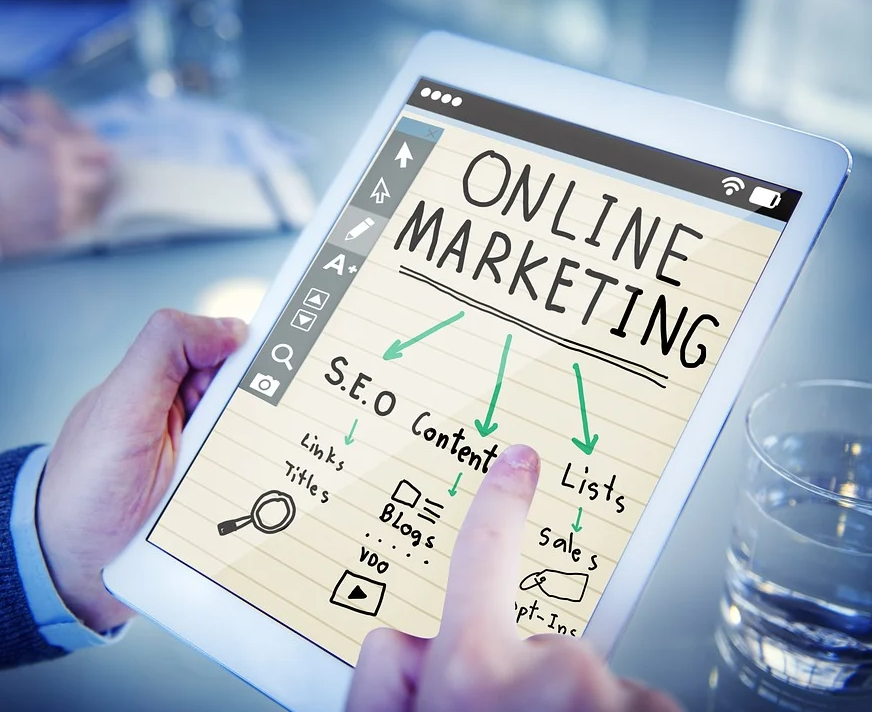
 More website design and SEO are the key elements in building a corporate website. Once the search engine optimization attributes are within the website, you will find a number of options that are offered to your company to increase traffic to the website. These include several free options, along with a variety of options that your company needs to purchase. Your investment’s potential benefits are excellent as your company has the opportunity to increase traffic to your website dramatically.
 One of the important things to keep in mind when writing a